
St. Augustine Walking Tour
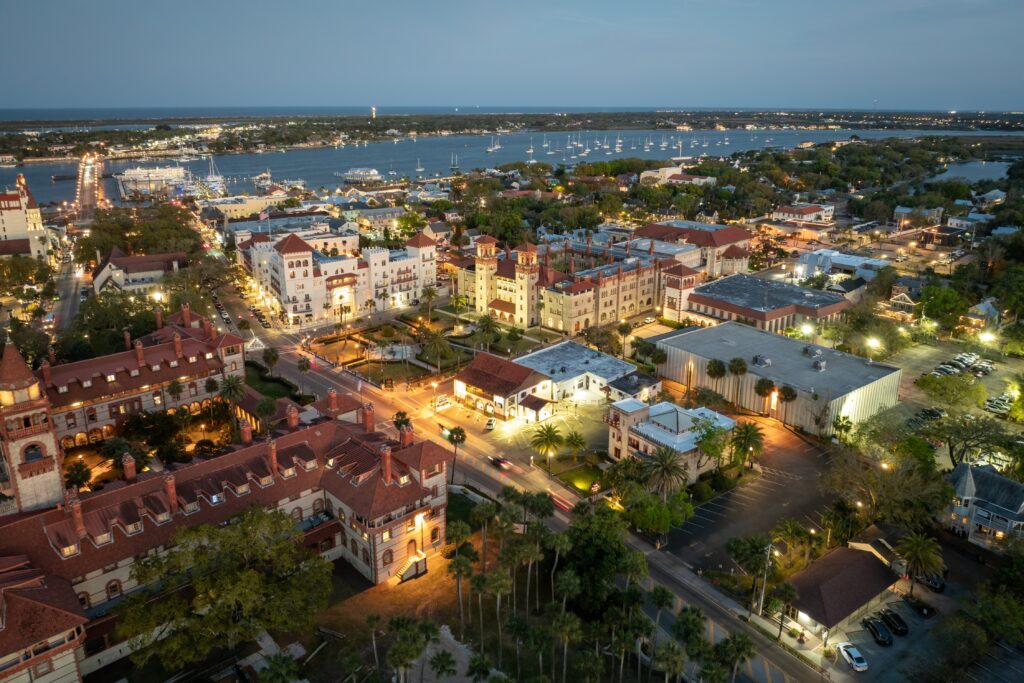
Tourists walking around St. Augustine can see a lot more than the city’s famous Spanish sites. A walking tour of St. Augustine will take you to different neighborhoods, historic buildings, and cultural landmarks that tell the story of the city’s development over more than four centuries. A particularly meaningful location is Lincolnville, a post–Civil War district that became a major center of African American history, education, and the Civil Rights Movement. The neighborhood is a place to walk, and in its streets are stories that are often lost in the colonial attractions that surround the Plaza de la Constitución.
History of Lincolnville
Lincolnville was established in 1866, shortly after the American Civil War. The neighborhood became home to formerly enslaved African Americans who created businesses, churches, schools, and family homes. During the late nineteenth century, Lincolnville grew into a successful middle–class community despite segregation laws that affected everyday life throughout Florida and the southern United States.
Walking along the streets today, visitors notice many wooden Victorian houses standing besides small churches and community buildings. These structures differ from the Spanish colonial architecture found in the older part of St. Augustine, showing how the city expanded during different historical periods.
Lincolnville Museum and Cultural Centre
Many walking routes begin at the Lincolnville Museum and Cultural Centre, located inside the former Excelsior High School. The building once educated African American students during segregation and later became an important museum preserving local history.
Inside the museum, exhibitions explain education, community life, military service, business development, and the Civil Rights Movement. Former students of Excelsior High School later became leaders in local campaigns for equal rights, making this location an appropriate introduction to the neighborhood.
Visitors often learn about several important themes before continuing the walk:
- The creation of Lincolnville after 1866.
- Development of Black–owned businesses.
- Education during segregation.
- Community leadership and local organizations.
- The neighborhood’s role in the Civil Rights Movement.
Important Historical Landmarks
Several locations along the walking route explain how Lincolnville became one of the most important historic neighborhoods in St. Augustine.
One well–known stop is St. Benedict the Moor School. In 1916, three Sisters of St. Joseph were arrested because Florida law prohibited white teachers from educating Black children. The sisters had taught local children for decades after arriving from France, and the incident later became an important example of racial segregation in education.
Another significant place is the Lincolnville Public Library. The library opened during the 1940s after a Black child was denied the right to borrow a book from the city’s public library. Besides providing educational resources, the building later served as a meeting place where volunteers prepared for peaceful civil rights demonstrations.
Visitors also reach St. Paul’s African Methodist Episcopal Church, where Martin Luther King Jr. spoke in May 1964 before participating in marches through St. Augustine. The church became one of several important gathering places during the movement.
Another important stop is St. Mary’s Baptist Church. Reverend Thomas Wright organized training sessions there, teaching volunteers how to participate in peaceful demonstrations using nonviolent methods. These meetings helped prepare many local residents before public protests took place throughout the city.
Civil Rights Legacy
During 1963 and 1964, St. Augustine became one of the most important locations in the American Civil Rights Movement. National leaders, including Martin Luther King Jr, Ralph Abernathy, Hosea Williams, and Andrew Young, visited the city to support local demonstrations against segregation.
One historical fact is especially remembered. Martin Luther King Jr.’s only arrest in Florida happened in St. Augustine after he participated in a peaceful sit–in at the Monson Motor Lodge. News reports and photographs from these demonstrations reached newspapers around the world and increased national attention on the struggle for equal rights.
Another well–known visitor was Jackie Robinson, who spoke at St. Paul’s AME Church in June 1964 while supporting local civil rights activities. His visit connected the movement in St. Augustine with broader social changes taking place across the United States.
Walking Through Modern Lincolnville
Although Lincolnville is known for its history, it remains a living neighborhood rather than an outdoor museum. Walking tours allow visitors to see restored Victorian homes, community gardens, local businesses, churches, and public spaces that continue serving residents today.
The district also helps explain how St. Augustine developed beyond its Spanish colonial center. Instead of focusing only on sixteenth–century history, visitors discover stories from the nineteenth and twentieth centuries that shaped modern Florida.
A typical walking route introduces several important places:
- Lincolnville Museum and Cultural Centre.
- St. Benedict the Moor School.
- Lincolnville Public Library.
- St. Paul’s AME Church.
- St Mary’s Baptist Church.
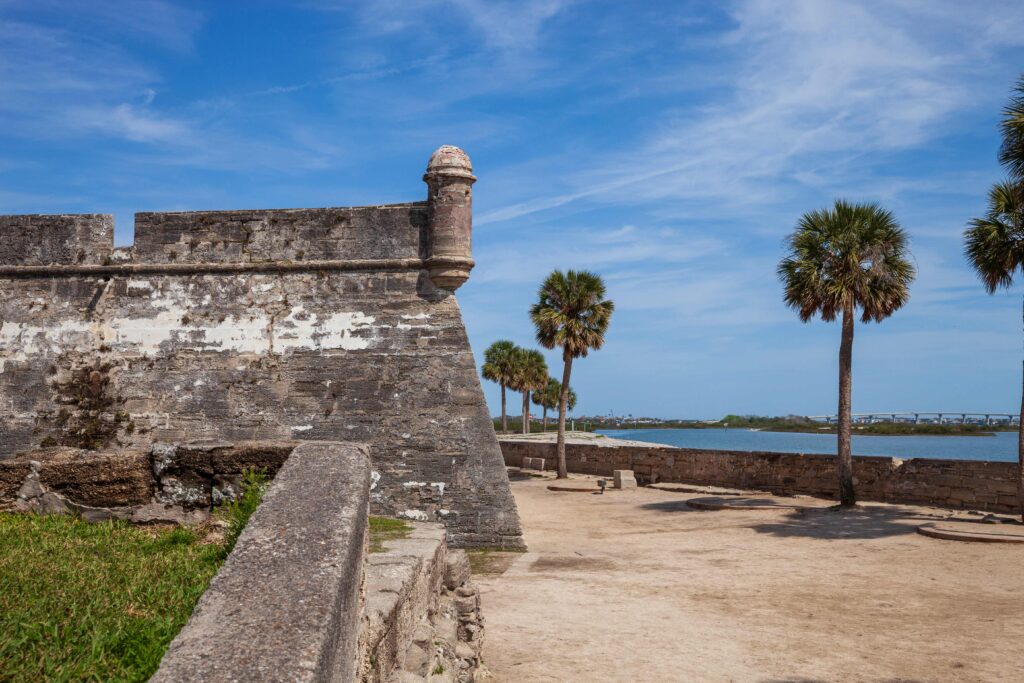
Many visitors continue to explore other parts of St. Augustine after the walk in Lincolnville. Popular historical sites include Castillo de San Marcos, the Cathedral Basilica of St. Augustine, the Plaza de la Constitución, and nearby streets with preserved colonial buildings. Together, these sites span more than 450 years of continuous history and feature the contributions of Spanish colonists, formerly enslaved communities, educators, religious leaders and civil rights activists to the city’s development.